

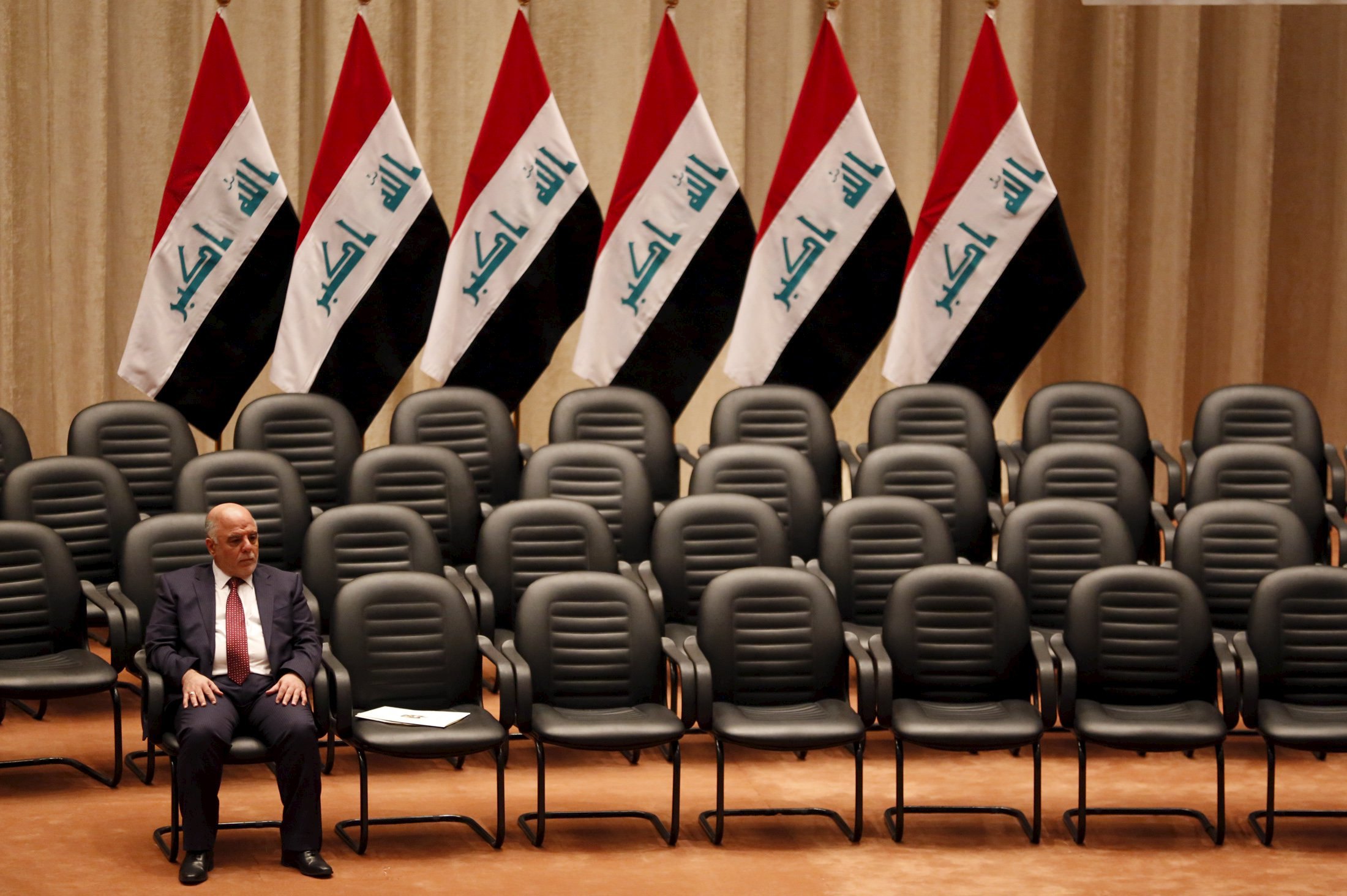
Following the chaos in Basra last week, both the Sa’iroun Alliance, which has been allied to Abadi’s Nasr Coalition, and the Fatah Coalition called on Abadi to resign as Prime Minister and to offer an apology to the Iraqi people for his “government’s failures to resolve the crisis in Basra”. While the Fatah Coalition has long been opposed to Abadi remaining as Prime Minister, the Sa’iroun Alliance has been one of Abadi’s most important allies and represent his biggest chance of retaining his position as Prime Minister. The fact that both the Sa’iroun Alliance and the Fatah Coalition called for Abadi to resign at the same time could indicate that the two blocs are cooperating to remove Abadi from his position. A split between the Nasr Coalition and the Sa’iroun Alliance would be a major blow to Abadi’s attempts at forming the largest bloc in parliament.
Meanwhile, Ayatollah Ali al-Sistani’s office issued a statement saying that he will not support figures “who have been in positions of authority in previous years”, but instead called for new faces to lead the next Iraqi Government. The statement from Ayatollah Sistani’s office will be interpreted as a veto on Abadi’s attempts to become Prime Minister. Without the support of Ayatollah Sistani, Abadi’s position as Prime Minister will be untenable.
Throughout the week, reports emerged that Muqtada al-Sadr and Hadi al-Amiri are close to forming an alliance. According to reports, Sadr invited Amiri to his headquarters in Najaf earlier on Wednesday 12th September for a meeting. While the exact nature of the meeting remains unknown, it was likely convened in an attempt to form an alliance given recent developments. The ongoing unrest in Basra has made the Iraqi Prime Minister, Haider al-Abadi, who only a few weeks ago formed an alliance with the Sa’iroun Alliance, a liability for Sadr. As a result, the Sa’iroun Alliance has begun to move closer to the Fatah Coalition and distance itself from Abadi, with leading figures within the party calling on Abadi to resign as Prime Minister on the weekend.
Sadr’s relationship with Abadi has for a while been somewhat uneasy. The tension between the two sides is centred on Abadi’s loyalty to the Islamic Da’wa Party. One of Sadr’s main demands for joining into a coalition with Abadi is that he resigns from the party. However, Abadi has refused to do so. As a result, the chaos in Basra has served as a convenient pretext for Sadr to abandon Abadi and join forces with the Fatah Coalition. However, according to reports, Sadr will only align with Fatah if they cut Nouri al-Maliki’s State of law Coalition from the alliance. As of yet, however, Fatah have not agreed to do so.
While the alliance between Sadr and Amiri has not yet materialised, it is clear that many in Iraq want a change to the Da’wa-led governments that have dominated Iraqi politics since 2003.
For more information, read our daily report.