

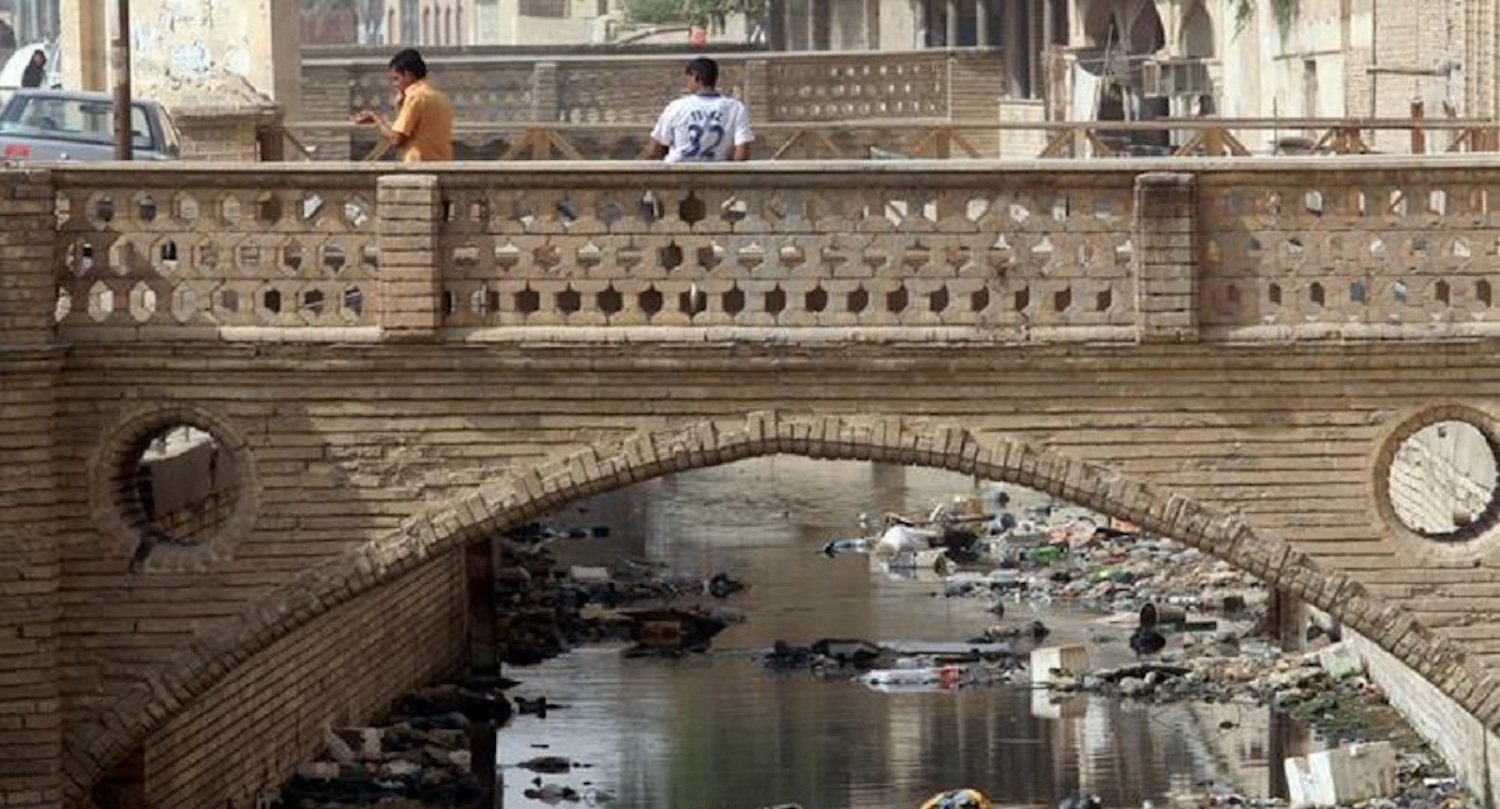
On Monday 27th of August, Basra’s Health Department announced that more than 70% of Basra districts are receiving unpurified drinking water. According to Jawad Abdul-Abbas, a member of the Basra Provincial Council, drinking water is being transported to citizens in the province in sewage tanks, which is a major contributing factor to poisoning the water.
The following day, the Basra Directorate of Health revealed the full extent of the health crisis in the province. The directorate said that over 14,000 residents in the province have caught illnesses and diseases as a result of the lack of clean drinking water. The Directorate of Health warned that the spread of cholera has become a significant risk in Basra after 13 people reportedly died from poisoning after eating a diseased fish from the province.
This assessment came a day after an advisor to the country’s Ministry of Water Resources claimed that there is no water crisis in Basra and that the media is exaggerating reports.
According to Basrawi officials, the unclean water has originated from the heavily polluted and salinated Shatt al-Arab, which is reportedly still used by the Ministry of Water to supply water to the province.
In response to the crisis, the Iraqi Prime Minister Haider al-Abadi issued a series of directives to resolve the water issues. Abadi ordered an increase of chlorine in water supplies to prevent them from being contaminated, a repair to damaged water networks and water stations, all under the supervision of expert-led committees.
Amidst these directives, tribal and political leaders in the oil-rich Basra Province threatened to halt exports of crude oil and instigate protests if the government does not begin to resolve the issue of contaminated drinking water.
Falih al-Khazali, an MP from Basra who was recently voted in as part of the Fatah Alliance, announced that they [Basrawis] “will paralyze public life, stop oil exports and close border crossings, as oil is not more important than people’s lives in Basra.”
According to estimates by the Iraqi Ministry of Oil, the country exported 109,847,268 barrels of crude oil through Basra’s ports last month, generating $7.6 billion in revenue. If the oil export sector is disrupted due to civil disobedience, the country could potentially lose billions of dollars.
Amidst these developments, activists from Anbar launched a campaign to help alleviate the water crisis in Basra. Activists sent one million bottles of clean drinking water to the province as an expression of solidarity and gratitude for the people of Basra’s military and humanitarian support to Anbar during the operations against ISIS.
The current crisis in Basra has only exacerbated public dissatisfaction and anger towards both the government and the country’s political class following the electricity and water shortages this summer. Despite the enactment of new policies following this summer’s protests, investments in the province’s public services remain unsubstantial. According to a UNDP report in 2014, Basra has amongst the highest poverty rates despite being one of the richest provinces in terms of natural resources.
Basrawis argue that despite their sacrifices in the war effort against ISIS, as well as the province’s contribution to the Iraqi economy, they have been largely neglected since the fall of Saddam’s regime 15 years ago. In order not to further alienate the people of Basra, the upcoming Iraqi Governments must work swiftly and effectively to resolve the many issues facing the province on a daily basis.